

Guidelines to Follow If Lost in the Forest or Mountains
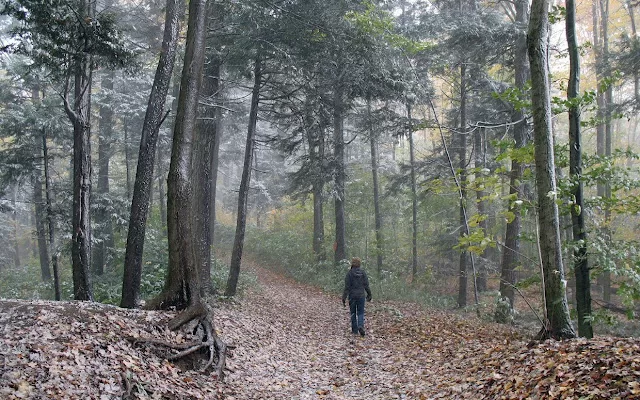
Mountains and forests are like a puzzle, and when we get lost in the woods, we have to piece that puzzle together to find our way back to the original path. Getting lost in the forest, whether while hiking or mountain climbing, is one of the biggest fears faced by outdoor enthusiasts. Many factors can lead to getting lost in the mountains or the woods.
As a rescue effort when lost in the forest or mountains, there are some guidelines you can follow. These guidelines are mostly related to navigation skills, so for those of you interested in mountain climbing, it’s a good idea to learn navigation skills beforehand.
Here are the guidelines to follow if you get lost while exploring the forest or hiking in the mountains :
1. STOP
If you realize that you are currently lost, the best thing you can do is STOP, which stands for Stop, Observe, Think, and Plan.
By stopping, you can calm yourself down to think more clearly. With a clear mind, you might be able to remember the path you have taken.
2. Build a Fire
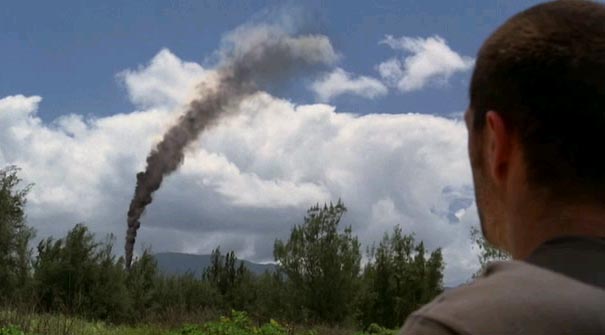
If you’ve been trying to find your way but haven’t succeeded, consider building a small campfire using natural materials from the surrounding environment such as branches, dry leaves, shrubs, etc., that can produce a lot of smoke.
In addition to providing a means of self-protection and warmth, the smoke from the fire can signal your location to rescue teams.
3. Create a Shelter for Protection
If you have a tent with you, set it up. However, if you don’t have a tent, you can create an emergency bivouac shelter using available materials around you, such as branches and leaves. Make sure the shelter is not too hidden so that it can be easily spotted.
These are some guidelines to serve as your friend’s reference in case you ever experience the misfortune of getting lost in the woods. Most casualties in such situations occur due to accidents, illness (hypothermia), and the like. Few die from hunger or dehydration. Therefore, ensuring your health and safety during outdoor activities is the most crucial aspect to pay attention to.
4. Create an SOS Signal
In addition to searching for a way out, you can also try creating an emergency SOS signal as an effort to communicate that you need assistance and to indicate your current location.
There are various emergency SOS signals, including creating signals with fire, smoke signals, sounds, lights, and more. You can find more information about these signals in an article titled “Various Types of Emergency SOS Signals.”
5. Navigation & Positioning
It’s essential to learn navigation skills before embarking on an exploration or mountain climb. Every individual in the team should be familiar with techniques like using a compass or determining directions through natural landmarks (if the compass is not reliable).
Knowing your position increases the likelihood of survival when lost in the forest. This is especially true if you have a clear understanding of the direction to your basecamp beforehand.
6. Explore the Surrounding Area
Don’t be afraid to explore the area around where you are. By exploring the surroundings, you may discover hiking trails, rivers, or other things that can help you find your way back.
However, before you venture out, make sure to leave markers or signs as mentioned in the first guideline so that you can return to your starting point and avoid getting too far off course.
7. Leave Trail Markers
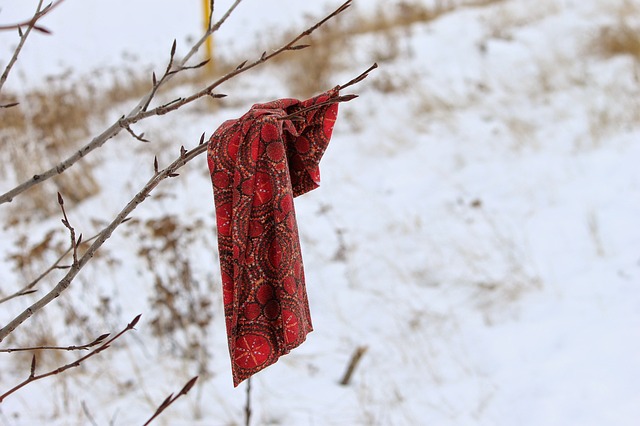
If you get lost, before venturing further, it’s a good idea to leave markers or signs that can point the way back to your starting point. These trail markers can be pieces of cloth, rope, piles of stones, paper, or anything that can be placed on trees, branches, or the ground. This way, if you lose your way, you can return to your original point.
8. Look for Open Spaces
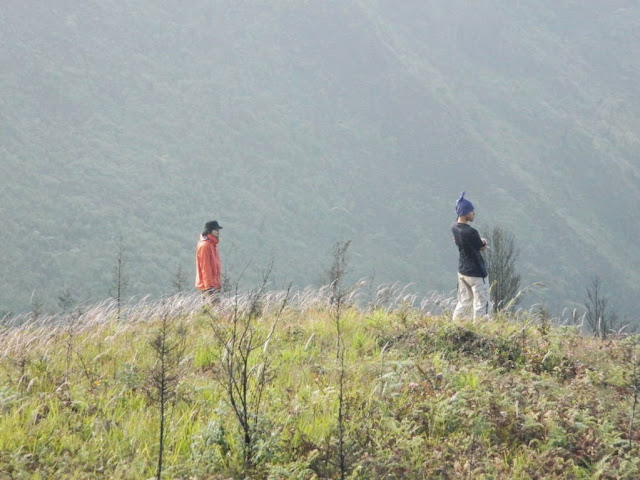
If possible, look for open spaces and avoid walking within the forest. Walking in open areas allows you to have a better view of your surroundings.
If you get lost while mountain climbing, follow paths along the ridge or mountain edges, as they are more likely to be seen by others compared to walking within the forest or valleys. Additionally, many hiking trails are established along the mountain ridges.
9. If You Find a River…
If you come across a river during your exploration, consider setting up a camp near the river. By establishing a camp near water, you can sustain yourself temporarily until help arrives. At the very least, it can help alleviate dehydration issues.
You can follow the river downstream as a way to find your way back to civilization, provided it’s a small river. However, be cautious of the potential presence of wild animals, as rivers are a source of drinking water for forest animals.
Source : https://www.indosurvival.com



Tuliskan Komentar