

Super Easy Peasy! Carrier Bag Gets Light as a Feather with This Hack
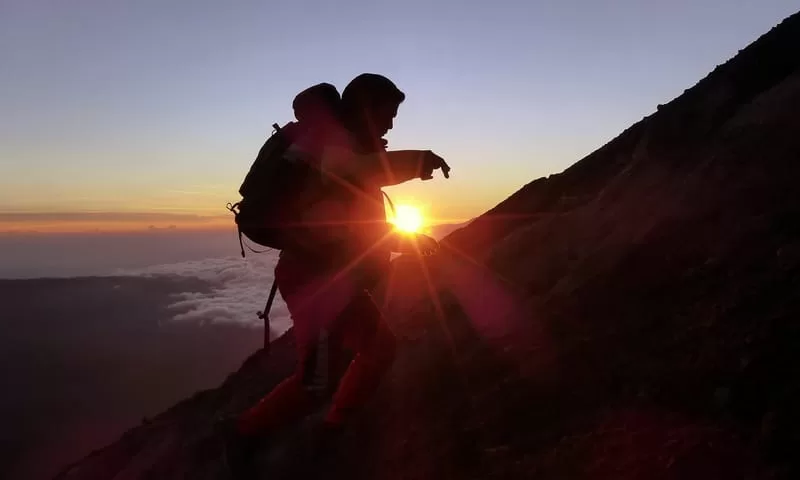
When you’re out on an adventure, you definitely don’t want to be complaining about aching muscles from lugging around a heavy bag, right? To make your carrier bag feel lighter, you should balance the load, adjust the bag’s position for more comfort, and place the heaviest items close to your back.
This time, we’re going to dive into some tips and tricks you can try before heading out for a discovery. Let’s check out the details below!
- Plan the Items to Carry
First, it’s important to plan all the items you’ll be carrying. You can consider this based on the duration of your adventure. Especially if you’re planning to go mountain climbing, you can follow the tips below:
Use a 35-60L carrier bag for a 2-day, 1-night climb.
For a 3-day, 2-night climb, opt for a bag with a capacity of 50-80L.
So, it’s important to plan only the items that you truly need. Don’t let your bag become overloaded. When venturing into the beauty of nature, adventurers need to prioritize comfort and safety first.
- Classify Items to Be Carried by Weight and Function
To categorize the types of items you’ll be carrying, use dry bags made of waterproof material. The goal is to protect items that require special attention, such as a sleeping bag, spare clothing, identification cards, electronic equipment, and medication.
Dry bags come in various sizes and colors. It’s recommended to purchase dry bags in different sizes: small, medium, and large. Additionally, use different colors of dry bags to help you remember the different types of items you’ve categorized in your bag.
There’s a specific way to determine the type of items and classify them by their weight:
- Heavy Items Category: Logistics, drinking water, cooking equipment, etc.
- Medium Items Category: Tent, sleeping system, etc.
- Light Items Category: Spare clothing, medication, snacks, rain jacket, etc.
It turns out there are benefits to categorizing your items. First, it makes it easier for you to check your belongings while on the journey, reducing the likelihood of items getting scattered or left behind. Second, you don’t have to unpack the entire contents of your bag to find something. So, it’s essential for you to apply this method.
- Bring Lightweight Alternatives for Heavy Items
If you find that some of the items you need are too heavy to carry, you can look for lighter alternatives. Here’s a list of items you can consider replacing:
- Camping gear: Tent and sleeping bag
- Nutrient-dense and easily prepared food: Snacks and cereal bars
Apart from these items, you can also replace other things that you feel are too heavy to carry on your journey.
- Determine the Placement of Your Items
To organize your belongings, arrange them as follows:
- The bottom of the bag: Tent and sleeping bag.
- The middle of the bag: Create a partition to separate it into two sections, one close to your back and one farther away.
- Place heavy items close to the back area. For example, larger food supplies, drinks, cooking equipment, etc. You can stack items on top or to the side. Make sure to balance the load from right to left.
- Lightweight items should be placed farther from your back to focus the center of gravity on your body’s axis. This way, when climbing, the mountain backpack’s weight won’t pull you backward. Lightweight items in the middle can include snacks, medications, spare clothing, and electronic equipment.
- The top of the carrier bag. Fill it with other lightweight items.
- The head bag section. Every mountain bag has a head bag outside the main compartment, designed to carry climbing essentials that are frequently used, such as medications, raincoat, flashlight, headlamp, etc.
- The side of the bag. You can place the tent frame and small-sized water bottles on the side to balance the bag. After everything is in place, cover the bag with the rain cover completely.
- Don’t Make the Straps Too Tight or Loose; Adjust the Carrier Bag Straps to Fit Your Body
To check if your carrier bag is balanced, take a walk for about 5-10 meters. Is it balanced enough? Does your back feel comfortable? Are the items inside the bag no longer shifting?
If everything feels safe and comfortable, tighten the chest belt, hip belt, and carrier belt as closely as possible to fit your body shape.
Source : https://adventureranddiscoverer.com



Tuliskan Komentar